Jonathan Mayeux
Mar 02 2026 15:00
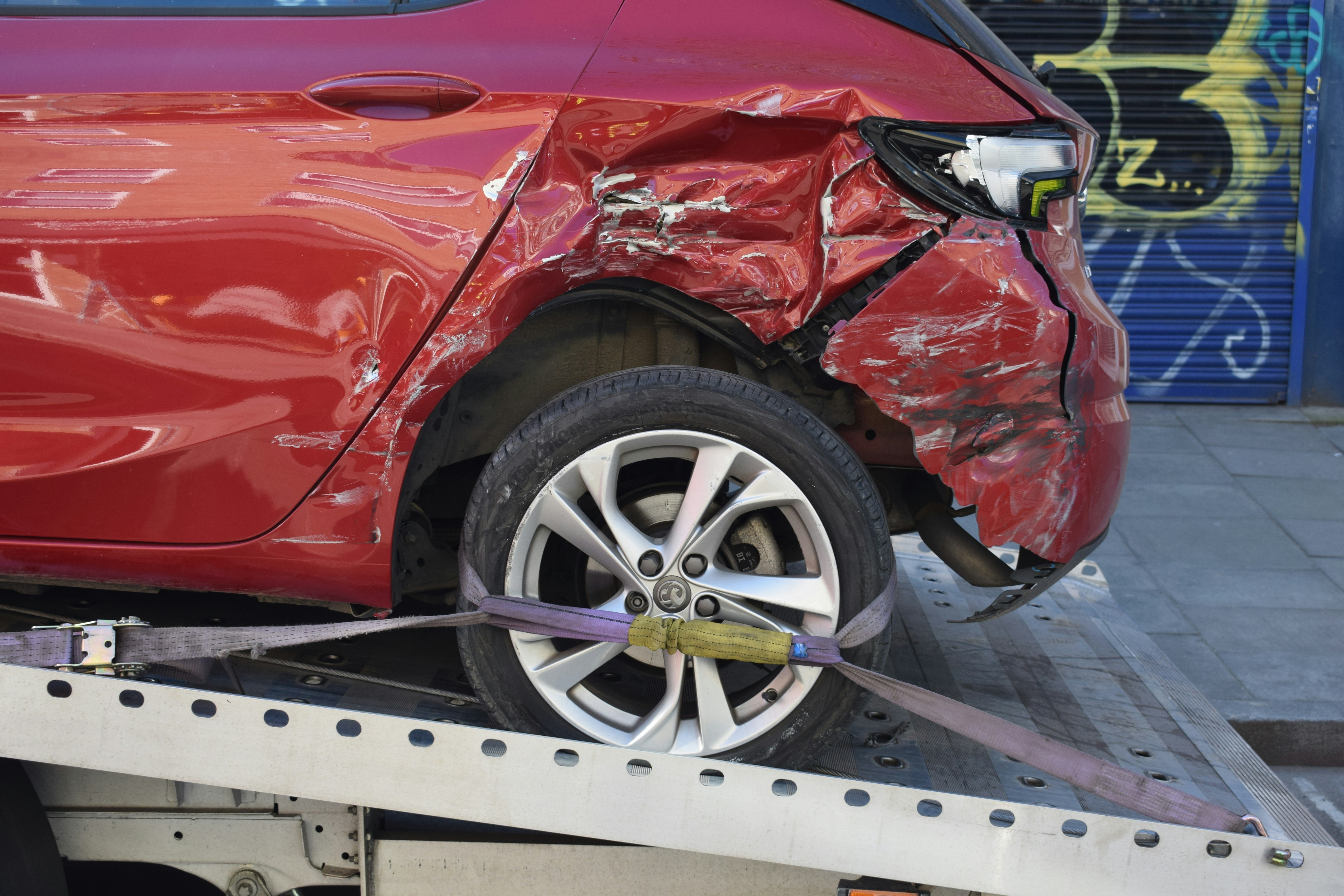
If you’ve just been in a car accident in Baton Rouge, the first steps matter. Get medical help, report the crash, document evidence, avoid rushed insurance statements, and contact a lawyer if fault or injuries are unclear. These quick actions can protect both your health and your future claim. Below is a clear, local guide based on what I see every day at the Law Office of Jonathan D. Mayeux, LLC.
Get Medical Attention Immediately
Even if you feel “fine,” your body may be running on adrenaline. Baton Rouge crashes—especially on I-10, around the LSU-area traffic corridors, or near Siegen Lane—often involve delayed pain symptoms like whiplash, back strain, or concussion. Going to an ER, urgent care, or your primary doctor creates a medical record that documents your symptoms from the start.
These medical records become critical evidence if soreness, headaches, numbness, tingling, or mobility problems show up later, which is extremely common after a rear-end or intersection collision. Insurance companies often argue that delayed complaints “aren’t related,” so early treatment helps close that gap.
Report the Crash to Law Enforcement
In Baton Rouge and across East Baton Rouge Parish, it’s important to contact law enforcement after any crash involving injuries, significant damage, or uncertainty about fault. When Baton Rouge Police or Louisiana State Police respond, they prepare an official crash report documenting the roadway, statements, and initial fault assessment.
That police report often becomes one of the first things an insurance adjuster reviews. Even if it contains mistakes—and that happens more often than most people think—it’s still a foundational document your lawyer can later supplement with photos, witness statements, and expert analysis.
Document Evidence at the Scene (If You Can)
If you’re safe and able to move around, take photos before cars are moved. Capture damage to all vehicles, the roadway, skid marks, debris, traffic lights, stop signs, lane markings, and anything unusual (construction cones, broken signals, blocked sightlines, etc.).
Witness names and phone numbers are just as important. Baton Rouge intersections—particularly those around busy areas like Essen Lane, College Drive, or Siegen Lane—often have multiple drivers and pedestrians who saw what happened. Once everyone leaves the scene, those witnesses can become nearly impossible to track down.
If nearby businesses have exterior cameras, note their names. Video footage from gas stations, restaurants, or retail centers around LSU or off I-10 can be extremely valuable in showing how the collision happened. A lawyer can request this footage quickly, before it’s overwritten.
Avoid Rushed Insurance Statements
You do need to report the wreck to your insurer, but you are NOT required to give a recorded statement to the other driver’s insurance company. Adjusters often call within hours of a crash hoping you’ll say something while you’re still shaken or unsure about your injuries.
Statements like “I’m okay,” “I didn’t see them,” or “Maybe I was going a little fast” can be used against you—even before you’ve seen a doctor. If the adjuster pushes for a recorded statement, politely decline until you’ve spoken with a lawyer. You have the right to understand your options first.
Save All Medical Records and Bills
Everything matters: ER paperwork, imaging results, prescriptions, physical therapy notes, chiropractic records, and follow-up summaries. These documents show the progression of your injuries and help link your treatment directly to the crash.
Insurance companies often look for gaps in treatment to argue you weren’t truly hurt. Having organized, consistent medical records strengthens your claim and helps your lawyer tell the full story of your recovery.
Understand How Fault Works in Louisiana
Louisiana uses “comparative fault,” meaning the insurance company may try to place part of the blame on you to reduce what they owe. In Baton Rouge, this comes up often in:
- Rear-end collisions where the insurer claims you “stopped suddenly.”
- Intersection crashes where both drivers insist they had the green light.
- Lane-change collisions near I-10 or Airline Highway traffic.
Photos, witness statements, videos, and phone records can make a major difference. I use these tools routinely at the Law Office of Jonathan D. Mayeux, LLC., especially in busy Baton Rouge corridors where traffic patterns change quickly.
Be Cautious When Talking About Pain and Recovery
It’s natural to want to downplay your symptoms, especially if you’re used to “pushing through” pain for work or family responsibilities. But insurers rely heavily on early statements to challenge injury claims.
Instead of minimizing pain, describe what you’re honestly feeling: stiffness, limited range of motion, headaches, dizziness, soreness, numbness, or shooting pain. No symptom is “too small” to mention, and these details matter when showing the impact the crash has had on your day-to-day life.
Know When to Contact a Lawyer
You may not need a lawyer for every fender-bender. But it’s worth getting legal guidance if:
- Your injuries are still bothering you.
- There’s any dispute about fault.
- The insurance adjuster is pushing you to settle quickly.
- You’re being blamed for something you didn’t do.
- The crash involved an intersection, commercial vehicle, distracted driver, or multi-car pileup.
As a Baton Rouge personal injury lawyer with prior insurance-defense experience, I’ve seen how insurers evaluate claims from both sides. That helps my clients understand what evidence matters most and how to avoid mistakes that weaken their cases.
You can learn more here: Car Accident Lawyer.
How the Law Office of Jonathan D. Mayeux, LLC. Helps After a Crash
When you contact my Baton Rouge office on Siegen Lane, you speak directly with me—not a call center or case manager. I help clients:
- Understand their medical records and what insurers look for.
- Gather and preserve evidence before it’s lost.
- Handle all insurance communication so you don’t feel pressured.
- Evaluate whether your claim is being undervalued or delayed on purpose.
- Know what steps to take next to protect your health and your case.
FAQ
Do I need to call the police even if it seems minor?
Yes. A police report helps document the crash and protects you if injuries worsen later or if the other driver changes their story.
What if I didn’t take photos at the scene?
That’s okay—many people don’t. Your lawyer may still be able to collect roadway photos, store surveillance footage, bodycam footage, or witness information after the fact.
Should I talk to the other driver’s insurance adjuster?
Not before talking to a lawyer. Adjusters often look for statements that shift blame or minimize injury.
What if my pain showed up a day or two later?
That’s common. Document your symptoms with a doctor as soon as they appear so they’re included in your medical records.
How soon should I contact a lawyer after a crash?
The earlier the better. Quick guidance can help preserve evidence and prevent avoidable insurance mistakes.
If you need help now, reach out here: Contact.
Or call my Baton Rouge office directly for case-specific guidance.
Our Services
About the Author
Jonathan D. Mayeux
Jonathan D. Mayeux is a Baton Rouge attorney focused on personal injury, car accident, and selected premises liability cases. Before representing injured clients, he worked on the insurance-defense side, giving him practical insight into how insurers review claims, challenge liability, and evaluate settlement decisions.
At the Law Office of Jonathan D. Mayeux, LLC., clients work directly with Jonathan from the start, receiving straightforward guidance without the handoffs often associated with larger firms. His practice is built around clear communication, honest case screening, and local service for injury victims across Greater Baton Rouge.